Tel : +86 18655186322 Email : sunsky@ypi-trading.com

Tel : +86 18655186322 Email : sunsky@ypi-trading.com

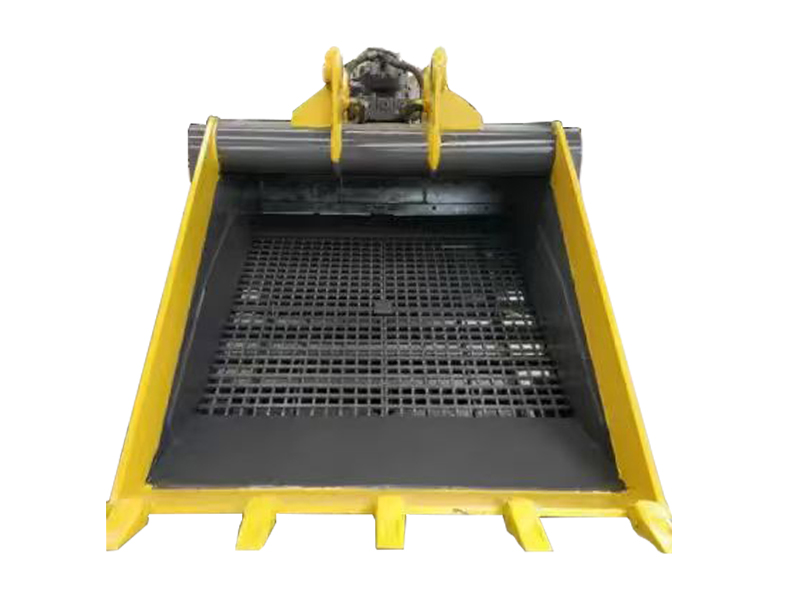
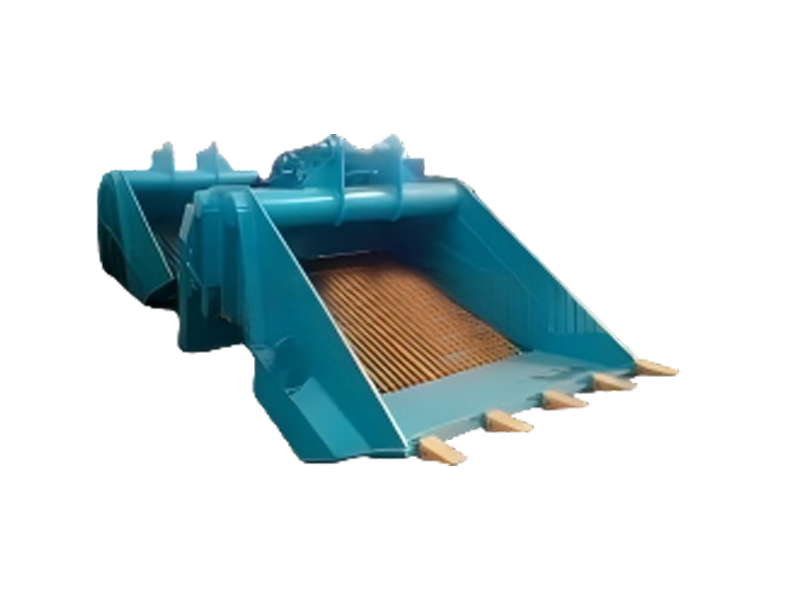
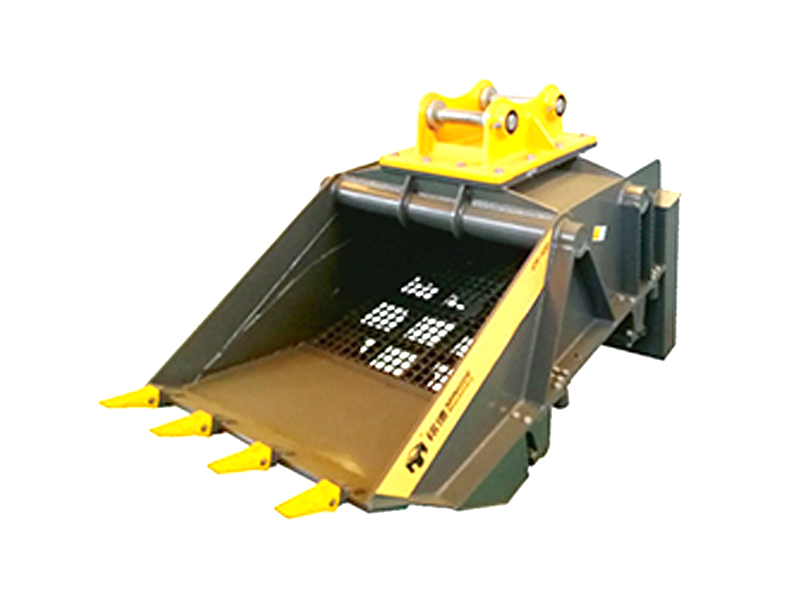
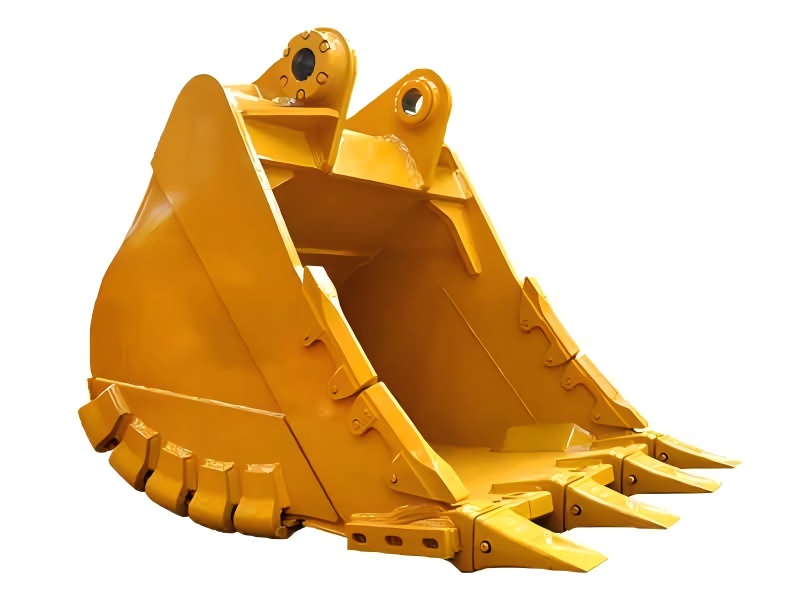
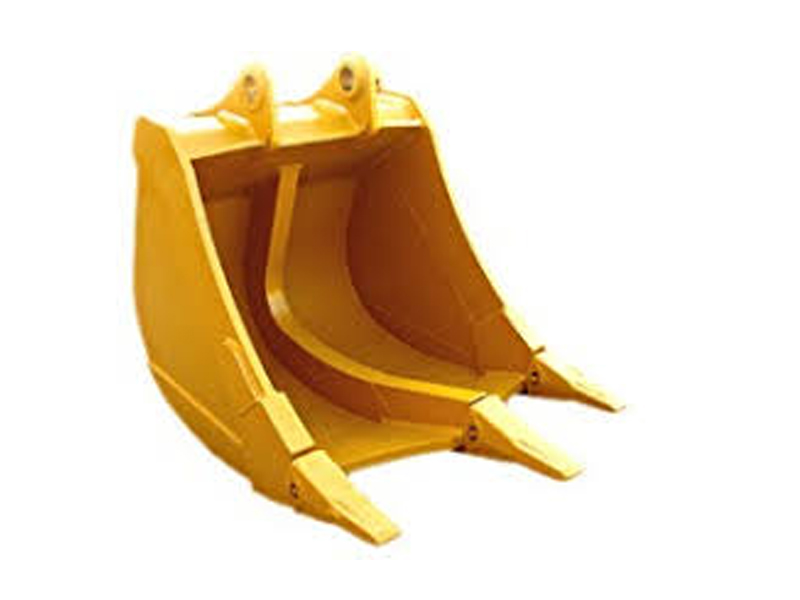
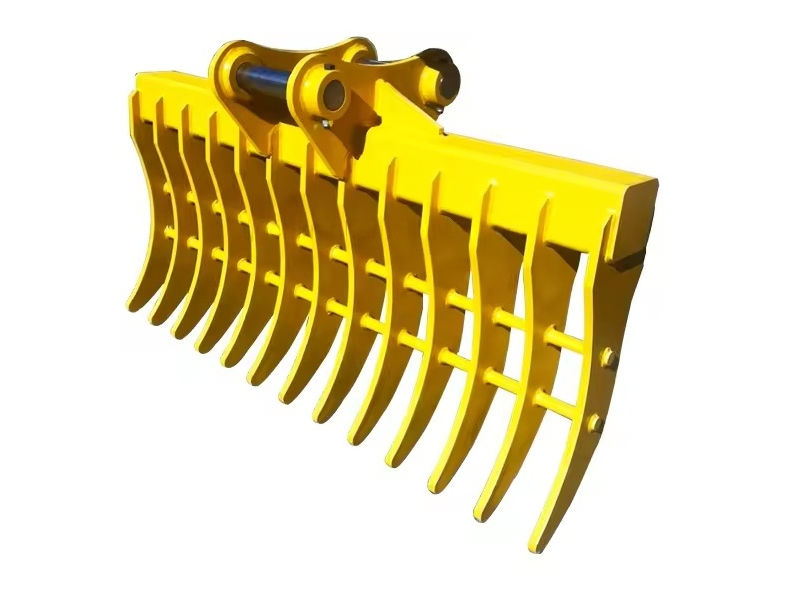
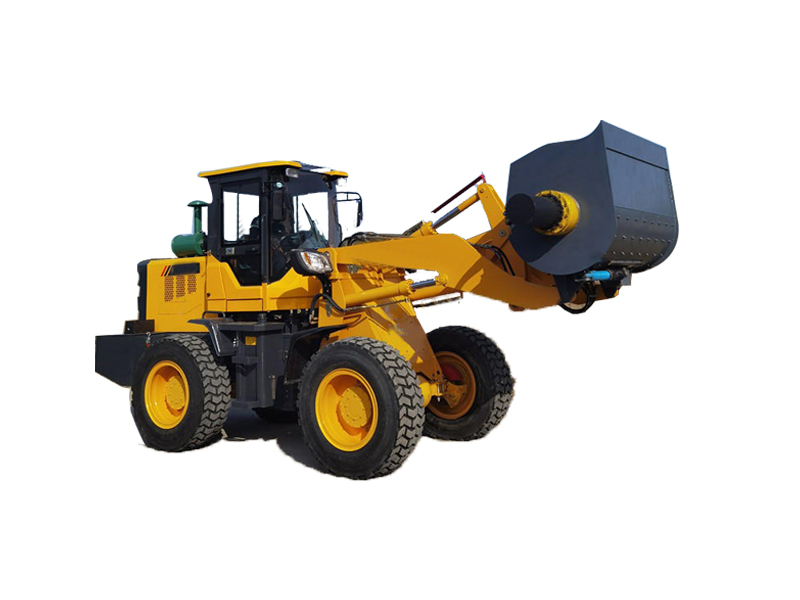
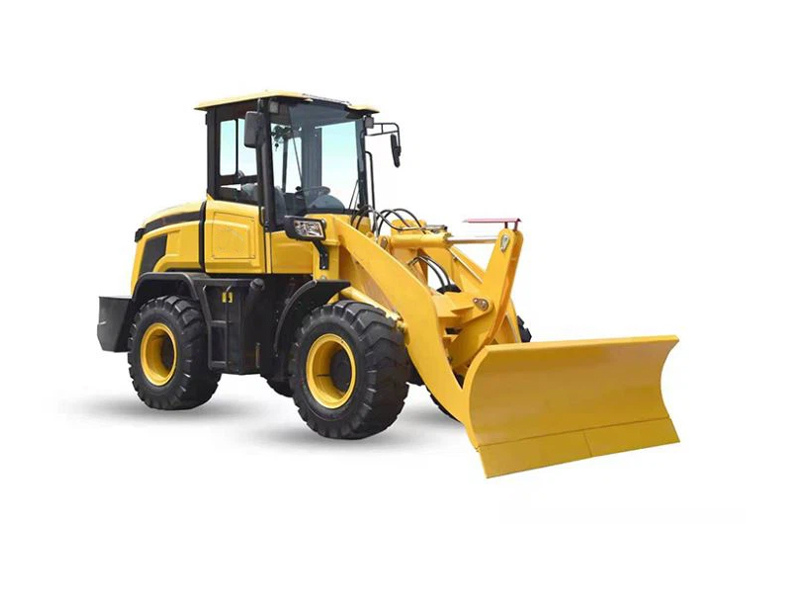
Our Vibrating Screening Buckets are engineered for superior productivity and fine material separation. By combining the robust digging force of a standard bucket with a high-frequency vibrating grid system, this attachment turns your excavator or loader into a powerful, mobile screening plant. It is the ideal solution for producing high-quality, finely screened materials like topsoil, compost, and sand directly at the job site.
Item No :
/Order(MOQ) :
1 UnitPayment :
TT, LCProduct Origin :
ChinaColor :
CustomizableShipping Port :
Mainland ChinaLead Time :
30 daysIntroduction
A Vibratory Screening Bucket is an attachment that utilizes a high-frequency vibrating mechanism to shake materials across a horizontal or slightly inclined screen deck. This action rapidly separates particles by size, with undersize material falling through the screen mesh and oversize material conveying forward and discharging.
Key Features & Benefits
1.Unmatched Screening Speed & Output
2.Superior Precision & Grade Control
3.Robust, Low-Maintenance Design
Scope of Application
Why Choose Our Excavator Bucket?
Brand Adaptation
Close Cooperation With Factory
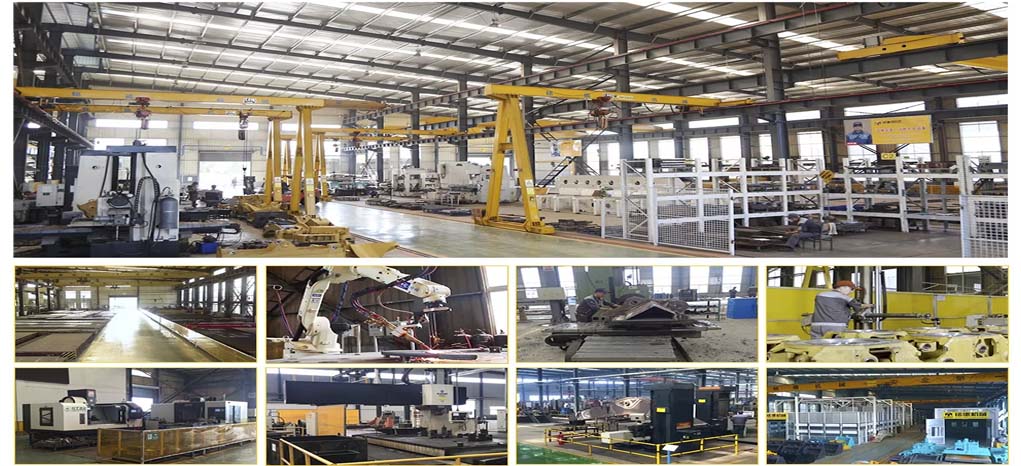
We maintain deep, long-term partnerships with the factory around 20 years. The factory has strong mechanical and automated production capabilities which ensure stable quality and performance of the forgings and good consistency.
Quality Control
The factory's rigorous quality control process includes material spectroscopy analysis, in-process inspections, and final checks with Magnetic Particle Testing (MPT) to ensure every bucket is free from defects and meets our high standards. The details control process as below,
1. Incoming raw materials undergo random sampling and analysis using a microscope to ensure the chemical composition meets production requirements.
2. During the production process, QC staff conduct timely sampling to ensure products are defect-free and handle any abnormal quality issues that may arise.
3. The final step involves using a magnetic particle flaw detector on metal parts to detect hidden cracks or defects.
4. All finished metal parts are proportionally sampled and sent to the laboratory for mechanical performance tests, size measurement, and 100% manual surface quality inspection.
Tags :


Copyright © 2026 ANHUI YUANPENG INTERNATIONAL TRADE COMPANY LIMITED All Rights Reserved.
Leave A Message
Scan to Wechat/Whatsapp: